 Skip to main content


Allergy Bedding
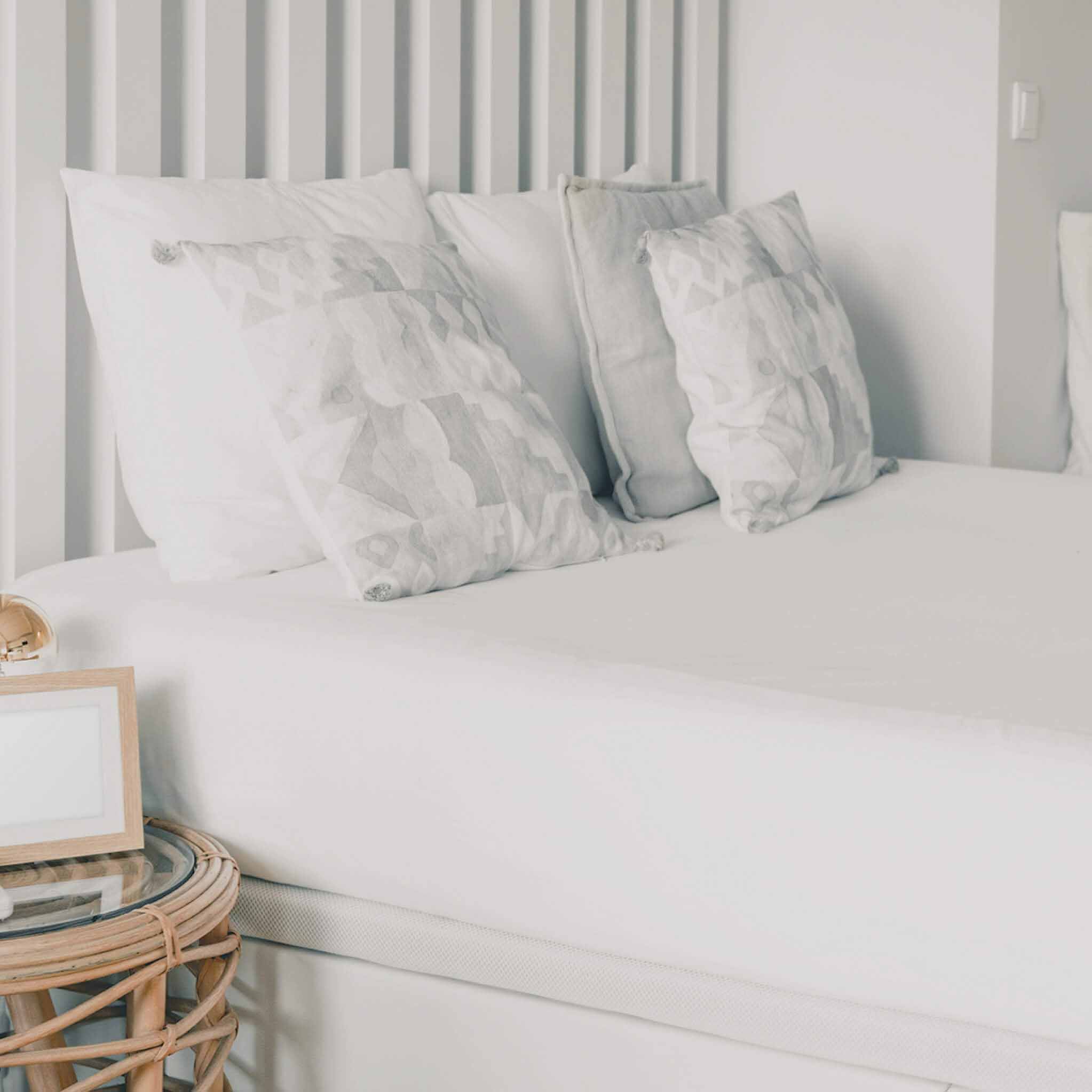
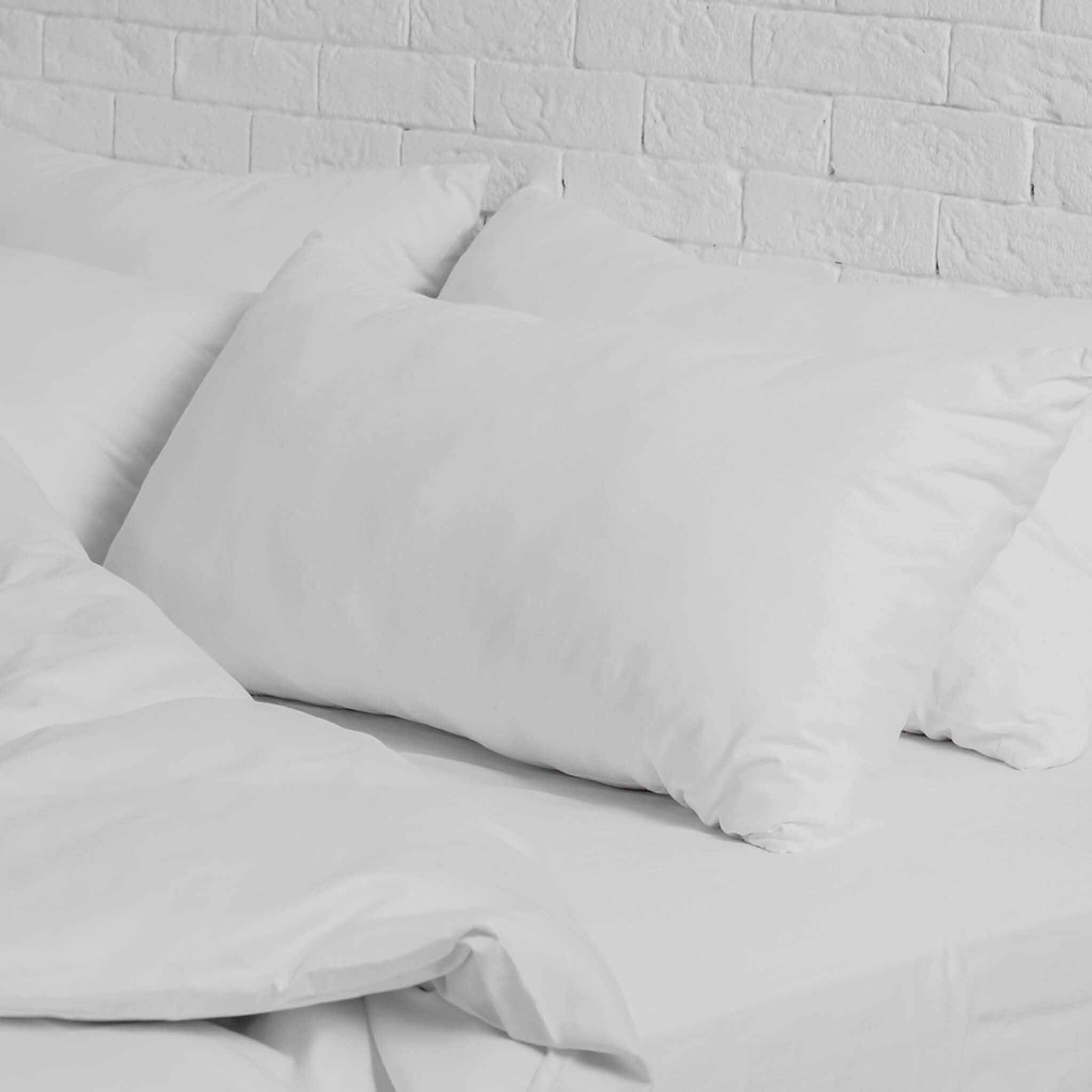

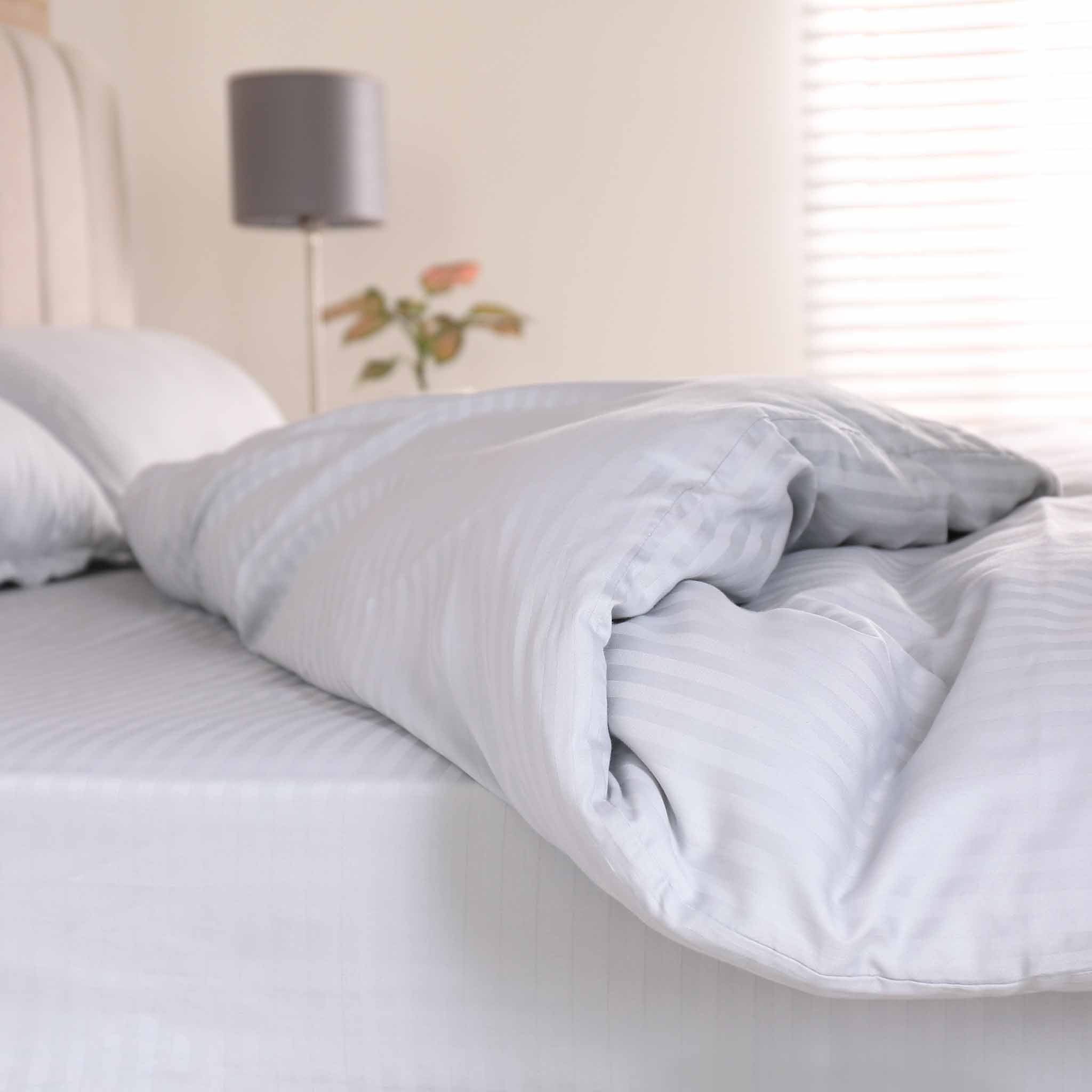
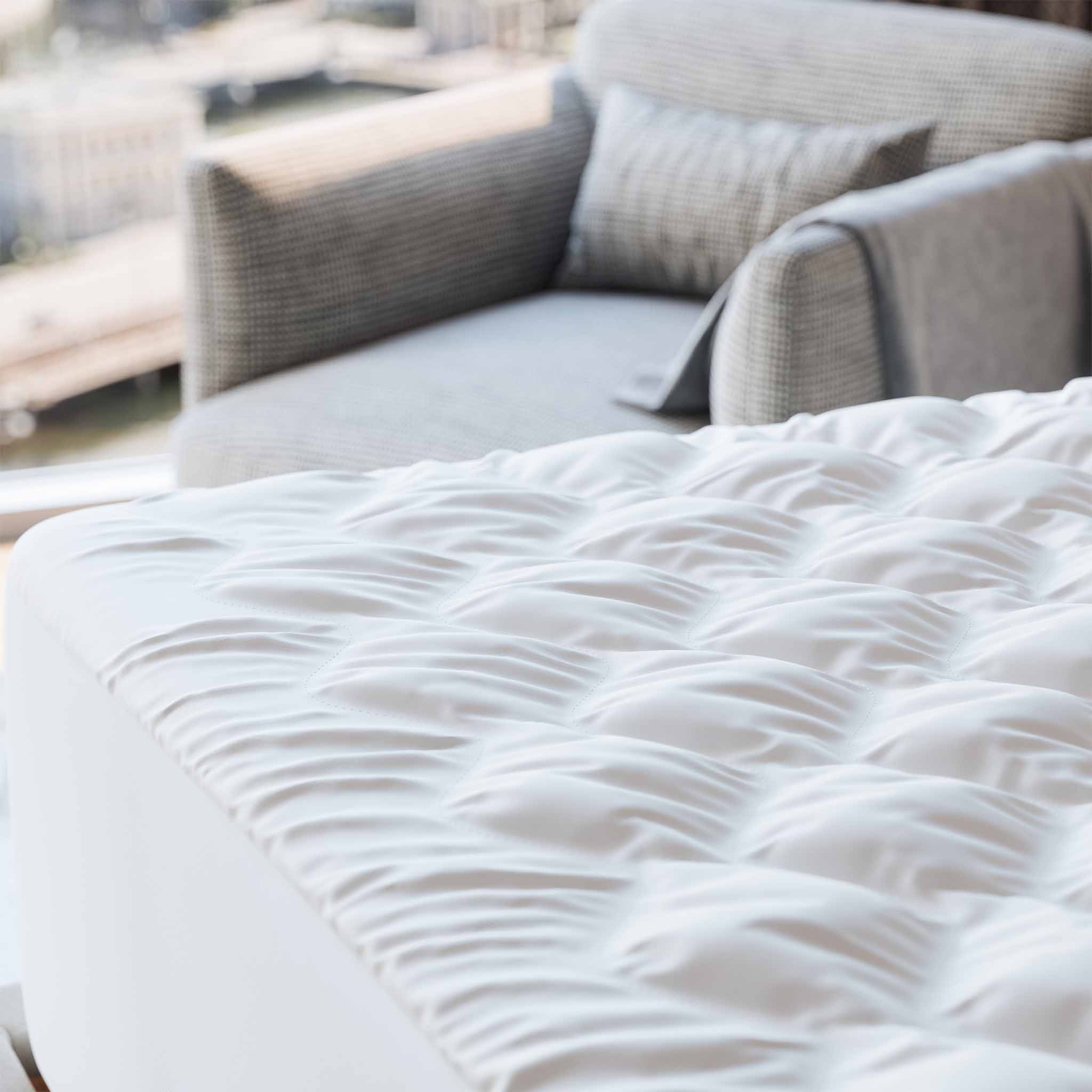
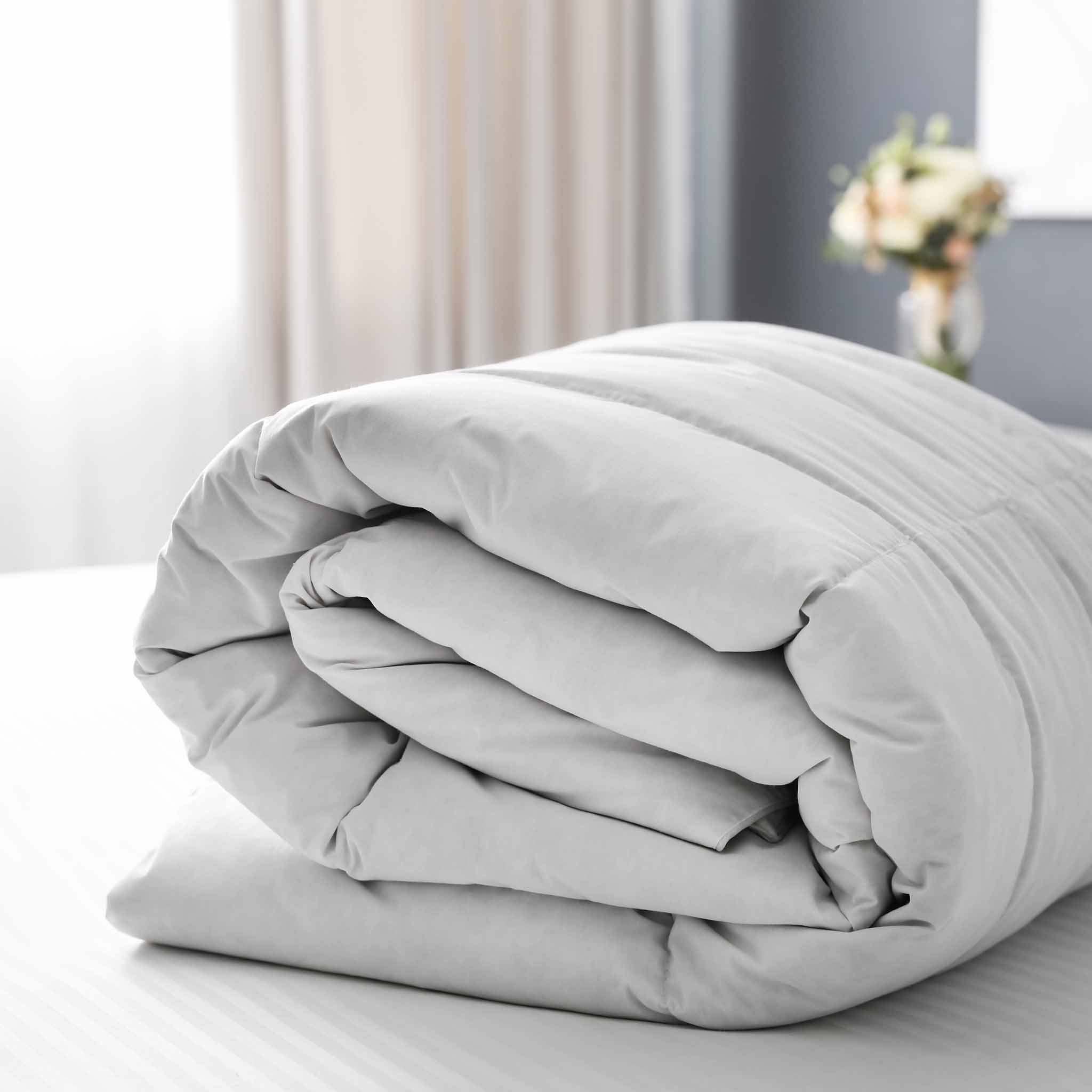
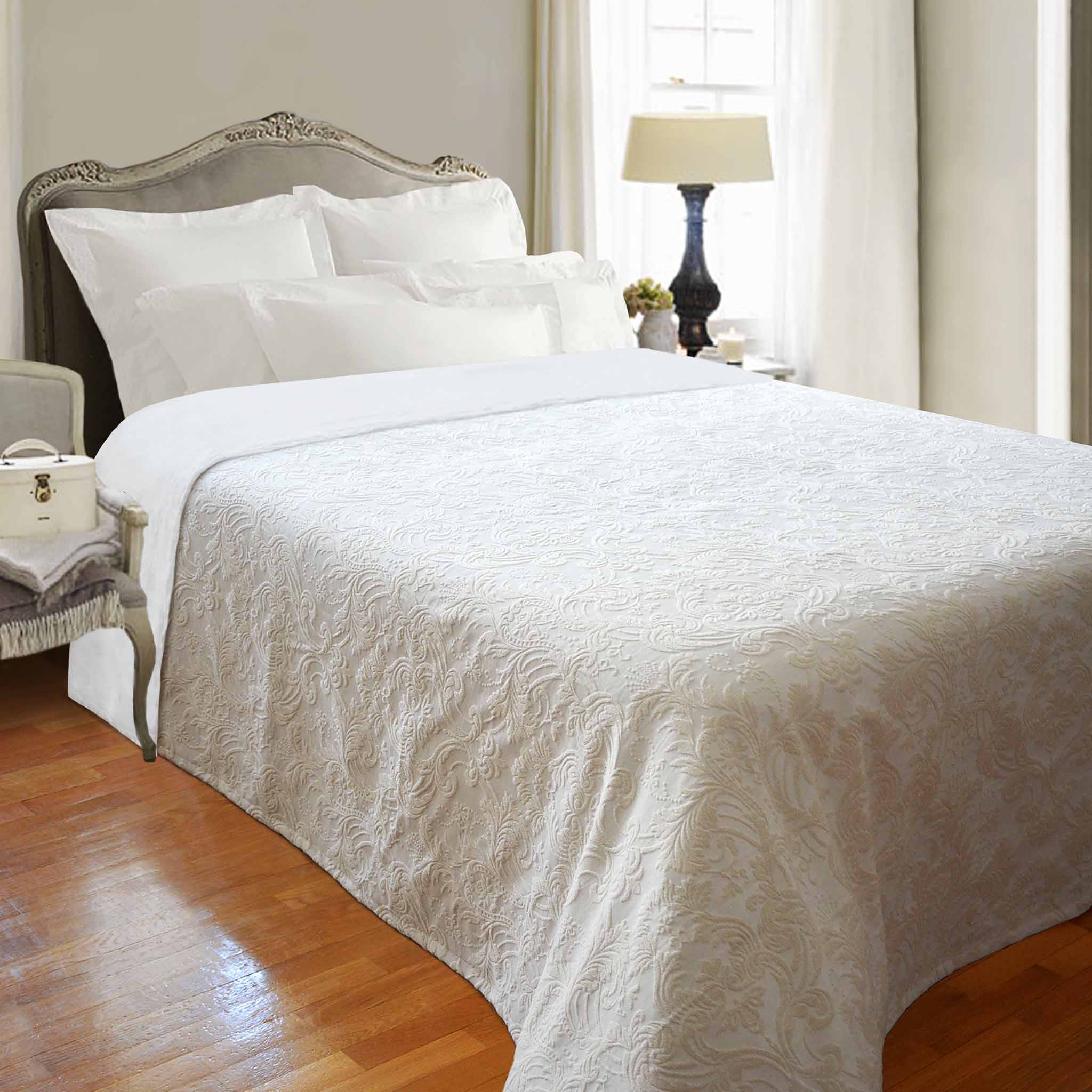
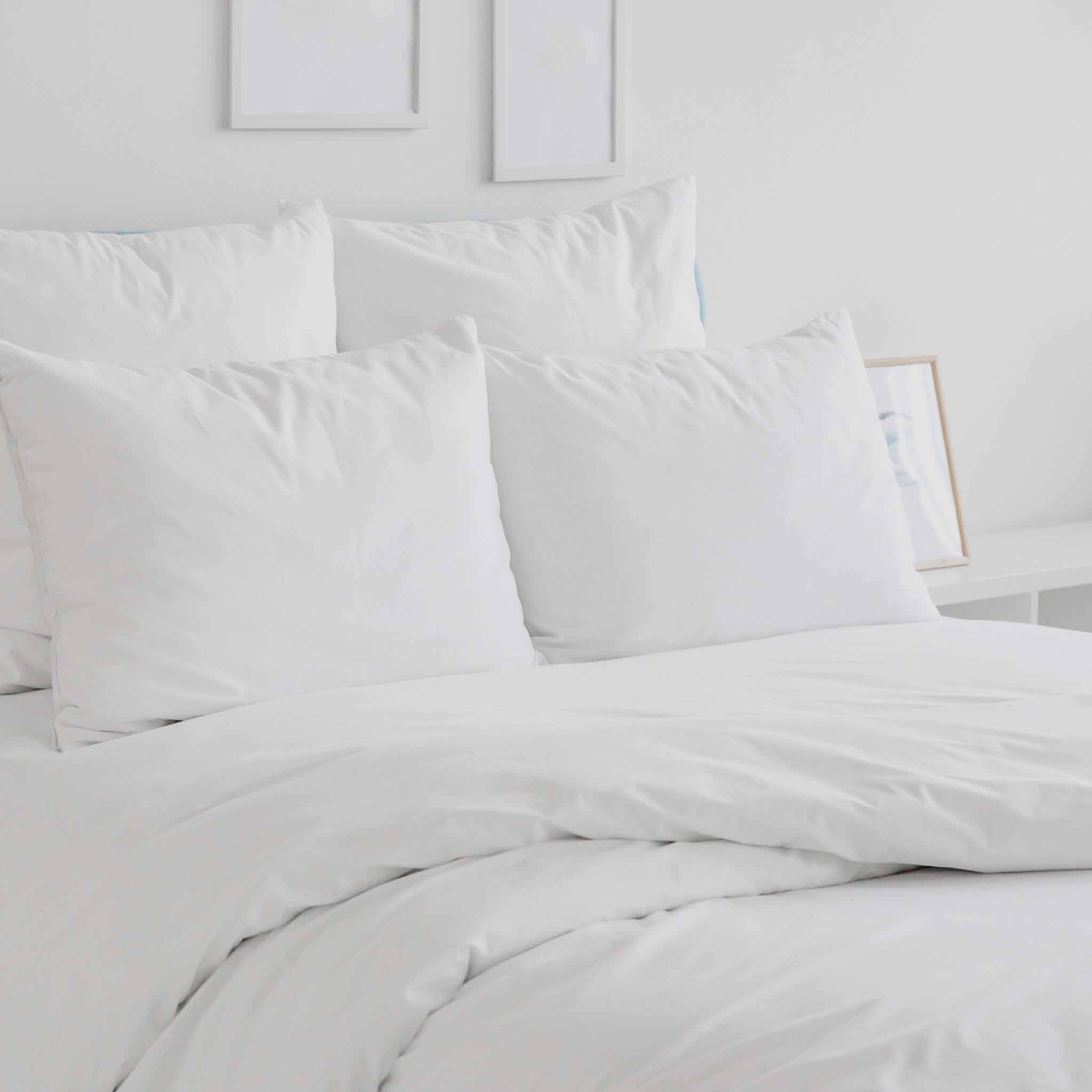
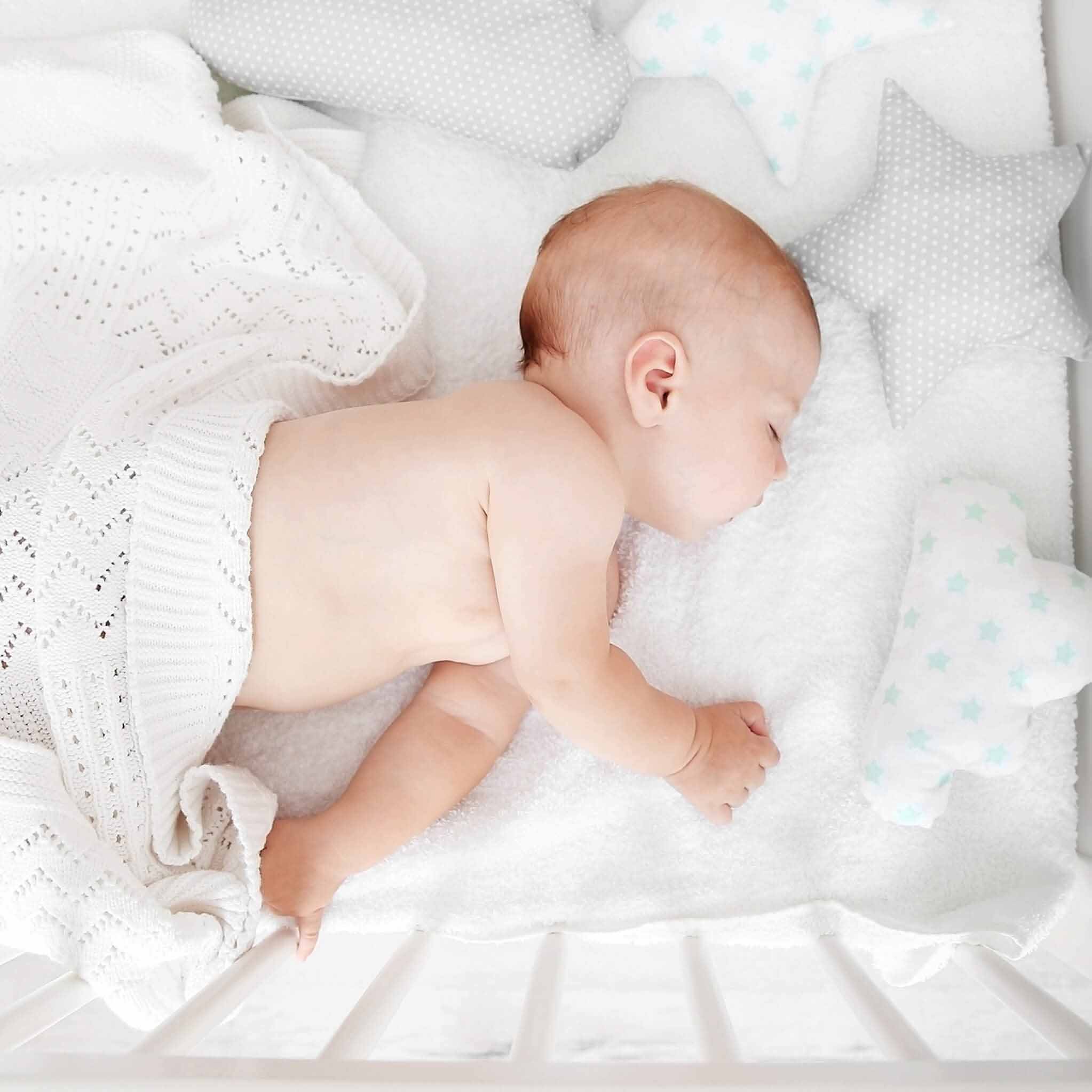
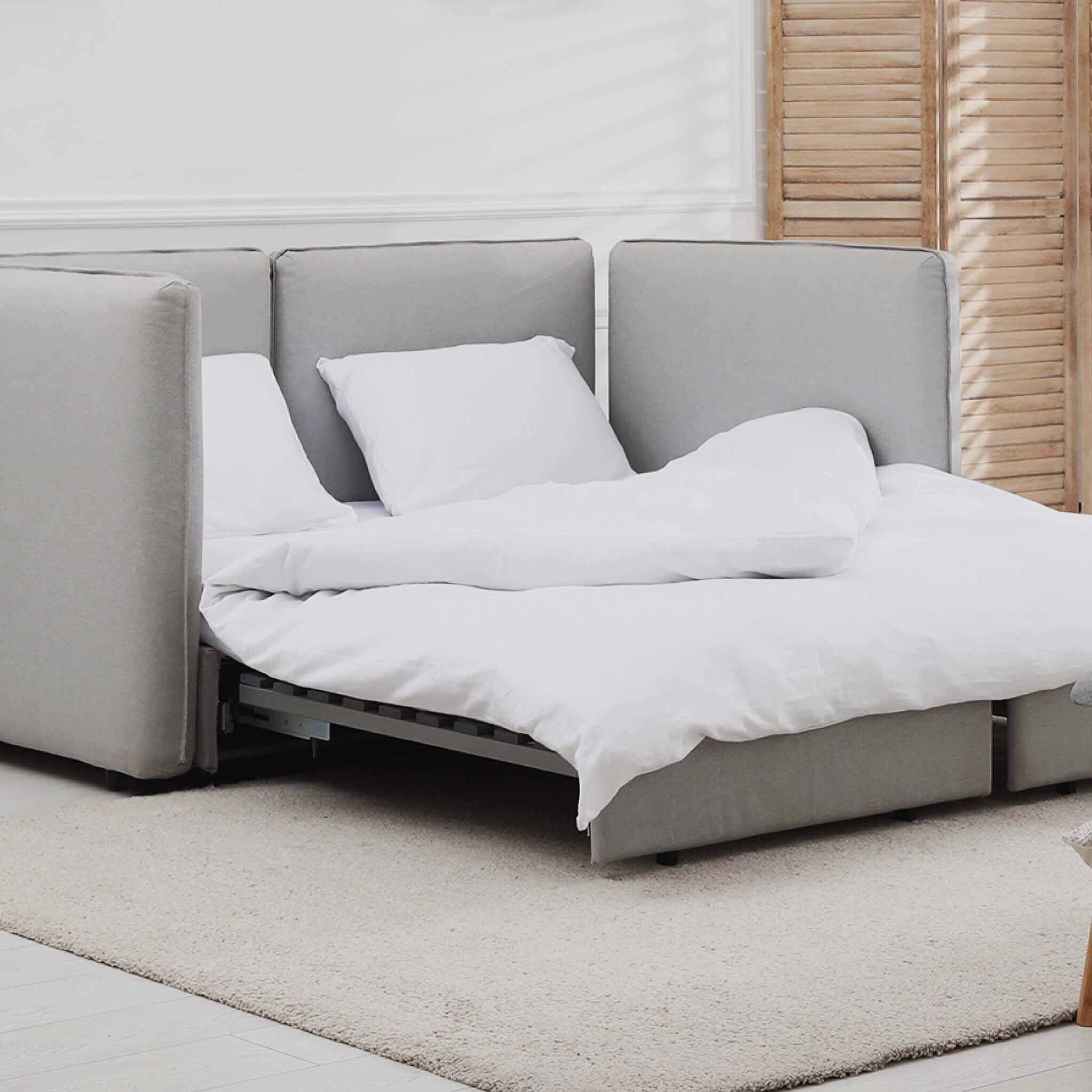
Allergy bedding is usually the first thing an allergist recommends after a dust mite allergy diagnosis — and for good reason. The AAAAI and ACAAI Joint Practice Parameter on dust mite exposure control identifies allergen-proof encasements for mattresses, box springs, and pillows as the single most effective environmental control step for dust mite allergy sufferers. This is the clinical standard of care — not a marketing claim.
Our mattress covers, pillow covers, and duvet covers are engineered and independently tested to block 99.95% of dust mites, bed bugs, pollen, pet dander, and other common allergens — while staying cool, breathable, and easy to maintain. From the very first night, you are no longer exposed to the allergens that have been disrupting your sleep.
Why Allergy Bedding Works
Dust mites feed on the dead skin cells we shed while sleeping. Your mattress and pillows are their ideal environment — dark, warm, and full of food. A single mattress can harbor millions of them. The allergen that triggers your symptoms is not the living mite — it is the protein in their fecal matter and decomposing body fragments, which accumulates in the fibers of mattresses and pillows over time.
You cannot wash allergens out of a mattress. The most effective solution is a properly fitted, zippered allergy encasement, tested to block 99.95% of allergens, which seals existing allergens inside and blocks new ones from reaching you — while the mites already inside gradually die off, starved of their food supply.
What Makes a True Allergy Cover
Not every mattress protector sold online provides genuine allergen protection. A true allergy cover must:
- Fully encase all six sides with a zipper — fitted-sheet styles leave the bottom exposed, allowing allergens to migrate freely
- Have a pore size under 10 microns — dust mite allergen particles are up to 10 microns in size; standard cotton sheets have pore sizes in the hundreds of microns
- Use close stitching or bound seams — seams are the weak point of any cover; quality allergy encasements use tight double stitching of at least 12 stitches per inch
Every cover we sell meets all three requirements. Learn more about what sets a true allergy cover apart →
Our Allergy Bedding Fabrics
All three of our AllergyCare™ fabrics are tested to block 99.95% of dust mite allergens. The differences are about comfort, feel, and whether you need waterproof protection — not about effectiveness.
AllergyCare™ 100% Cotton is woven from 100% natural cotton fibers — soft, breathable, and completely chemical-free. With a pore size of 4.6 microns, it is well within the range needed to block 99.95% of dust mite allergens. OEKO-TEX 100 certified. The most popular all-around choice for allergy sufferers who prefer natural fiber bedding.
AllergyCare™ Organic Cotton is made from tightly woven certified organic cotton — non-dyed, non-treated, and free of chemical finishing agents. With a pore size of 5.3 microns, it blocks 99.95% of dust mite allergens while eliminating the chemical residues that can trigger reactions in sensitive individuals. The right choice for anyone with chemical sensitivities, eczema, or a preference for certified organic materials. OEKO-TEX 100 certified.
AllergyCare™ Stretch Knit uses a different construction — a polyester knit fabric with a fused 1-mil urethane membrane that creates a complete liquid and allergen barrier. Because the membrane blocks everything, there is no pore size to measure. Fully waterproof and bed bug-proof thanks to a patent-pending tape closure over the zipper. The go-to choice for children's beds, parents managing bed-wetting, and anyone who needs both allergen and liquid protection in one cover.
Not sure which fabric is right for your situation? Read our complete buying guide → or call us at (800) 771-2246 — we have been helping people make this decision since 1989.
What to Cover — and Why It All Matters
To get the full 99.95% allergen reduction, every sleeping surface needs to be encased. Each piece of bedding is a separate allergen reservoir — covering the mattress but leaving the box spring or pillows exposed means the mites there continue uninterrupted.
- Mattress — the largest allergen reservoir in your home. Always step one.
- Box spring — harbors just as many dust mites as the mattress. Frequently overlooked.
- Every sleeping pillow — inches from your face for 7 to 8 hours every night. An uncovered pillow undermines everything else.
- Duvet or comforter — recommended if you sleep without a top sheet, or if your duvet is older and has never been encased.
Allergy Bedding Is the Starting Point — Not the Only Step
Encasements are the most effective single step, but they work best as part of a layered approach. Wash your sheets and pillowcases weekly in hot water or with an allergen-eliminating laundry additive. Keep indoor humidity between 30 and 50% — dust mites cannot survive below 50% humidity. Run a true HEPA air purifier in the bedroom. Replace carpet with hard flooring where possible.
Each layer reduces allergen exposure from a different angle. Together they make a meaningful, lasting difference. Read our complete guide to allergy-free living →
The Allergy Store offers the widest selection of allergy bedding products — fabrics and prices to suit every need, taste, and budget. Not sure where to start? Call us at (800) 771-2246 and we will be happy to help.